


Selling your home can be stressful business. Constantly having to keep it in viewable condition, showing prospective buyers around, wanting to press ahead with your own property search and being able to commit to the house of your dreams can all take their toll, especially when it feels like your property has been sat on the market for months on end.
We believe that every property has the potential to be perfect for the right buyer, and so for us, the task of selling your home should be geared towards showcasing its best features. Some of these elements you can directly control, whilst others are best left down to the estate agent. So that’s how we’ve structured this guide: what can you do to help sell your home, and what your estate agent should be doing to help sell your home.
For most, getting your home into sellable shape is an easily achievable task with little effort and appropriate time allocation. It can be the difference between selling your home or prolonging the length of time that your property is on the market, so it’s well worth investing where necessary to prevent any unwanted delays in the selling process.
It’s often said that you don’t get a second chance at a first impression, and this couldn’t be more true when selling your home. Interior décor is one of the more common topics of feedback that we receive following a viewing, as it can be difficult for a buyer to imagine a property’s potential when it feels cluttered or if it has a unique look.
Help frame the perceptions of potential buyers with a few of these quick and easy to implement tips:
Adjacent rooms are an excellent opportunity to create the illusion of more space. Soft furnishings and matching colours throughout each room create a seamless experience, and are a tried and tested method for success. That being said, don’t be put off by darker, more soothing hues that can bring atmosphere as well as space when combined with lighter coloured furniture to create appropriate contrasts.
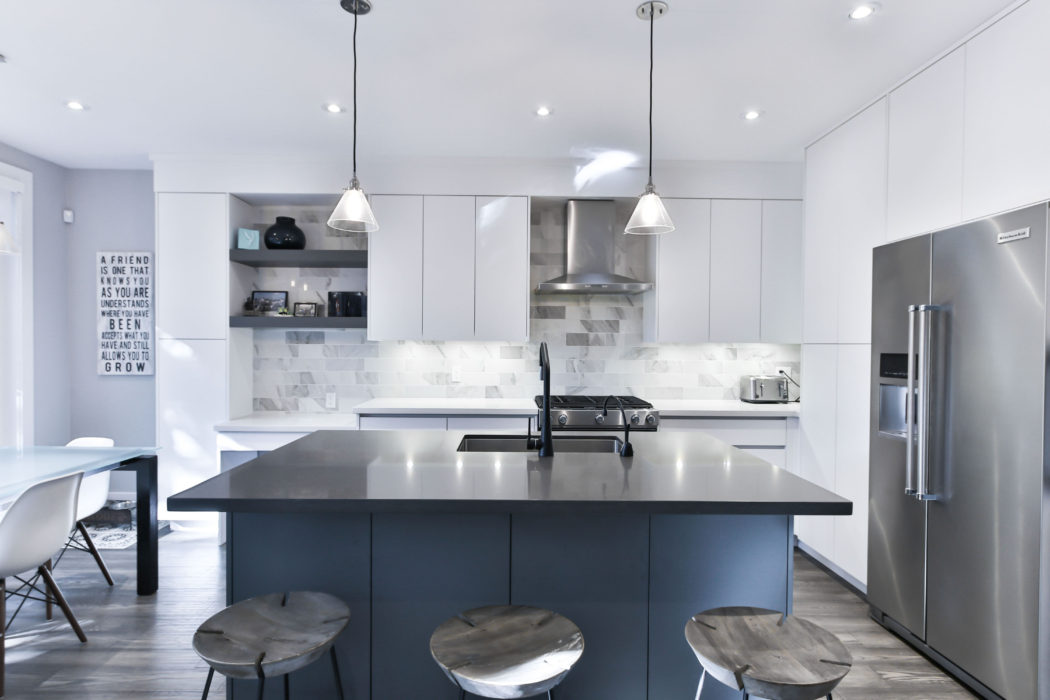
Often the deal-breaker for many potential homeowners, kitchens create fantastic opportunities to host or (more obviously) simply for those that just love to cook. It’s important that your kitchen is staged to showcase either or both of these elements, depending on its size and available appliances.
Ensuring that your kitchen is sparkling clean – including the windows – creates a comfortable and welcoming impression for potential buyers to see themselves living in. Ensuring that the bins are empty, recycling is out of sight, and that the worktops are free of any unnecessary appliances removes any distraction and allows potential buyers to visualise how they may utilise and live in that space.
The proper lighting can transform a home when utilised correctly, be it natural light coming in from the windows or a strategically placed light fixture that attracts the right kind of attention and highlights the best areas of a room.
Think carefully about how to illuminate when using light fixtures – ambient lighting creates a soothing glow, whereas aesthetic lighting creates spaces alongside an artistic feel. Having a unique lampshade in each room – and one that fits the room’s décor – is often a fantastic finisher that takes your room from a half-finished afterthought to a complete and welcoming space.
Texture can be achieved with a variety of furnishings, including wallpaper, rugs, pillows, light fixtures, paint, furniture and more. Don’t be afraid to play around with these and mix and match where it makes sense to do so. The right combination of textures has the potential to add warmth and comfort to a room, as well as an element of style and luxury.
When it comes to considering colours for your home, it’s best to keep things neutral. Whilst bright and vibrant colours often add character to a property, they aren’t always to everyone’s tastes. Opting for easy, flattering colours like white or earth tone finishes your home so that it looks and feels sophisticated, clean and elegant whilst keeping to everyone’s preferences.
An easy to fix and not instantly recognisable problem for many homeowners is smell. No one likes to walk into a house that doesn’t smell great, least of all a potential buyer. Whilst the common tactics of baking bread or a hearty meal can mask a smell short term, it’s better to tackle the root of the issue head-on. It’ll save any potential headache – and heartache – longer term.
Three of the biggest influences when it comes to smell are damp, smoking and pets. If your property is showing signs of damp, it’s worth having a specialist look into this ahead of putting your property on the market so that they can advise on the best course of treatment. Understandably, most buyers won’t want to take a property showing signs of damp, and it’s a smell that’s instantly recognisable. Do yourself a favour and resolve this as soon as you can.
Smoking and the smell of cigarette smoke are easier to resolve, although still by no means a quick fix. Consider ways to improve the ventilation in your property in a way that doesn’t detract from a room’s key features. For example, it isn’t always feasible to have a window open (especially if you’re in the middle of winter) for a cosy living room with a log burner or open fire, as it would remove the feeling of warmth and character, which can both be key selling points.
Consider instead decluttering your room to create better airflow, and combine this with a few strategically placed air fresheners that compliment the space. Cotton fresh is a popular scent for bedrooms, whilst lavender and honey are great for hallways and kitchens.
Closely related to interiors but different, properties that show signs of wear and tear make it difficult for potential buyers to visualise themselves in the property without fixing some minor issues first. While this is expected from most buyers, some problems above others can be the difference between a sale and buyers continuing their search.
Fixing any visible cracks in the wall, painting rooms that are tired and showing signs of neglect and replacing any carpets within high traffic areas and, as a consequence, are showing signs of wear are actions to take. Although some upfront cost may be required to get your home into sellable shape, it’ll be worth it in the long-term when buyers can see through the minor issues and picture themselves living in the property.
It’s also worth instructing a chartered surveyor to undertake a viewing of the property so that they can provide a property survey. Those cracks in the wall may seem innocuous at first glance but may be signs of underlying house health issues that, if uncovered at a later date, can seriously undermine the potential value of your property and delay the selling process further – a nightmare when you want to make a move for the dream home that you’ve just discovered.
You’ve fixed up your interiors, removed all of those odours and made all the necessary repairs. But your home still isn’t selling. Why? It’s at this point that you should begin to look at your estate agents.
First and foremost, it’s in the best interests of your estate agent (and you, the property owner) to successfully sell your property to the right buyer and to do so quickly. With this in mind, they should be offering the above advice based on their evaluation of the property. Ahead of choosing an estate agent to list your home, ask them what you can actively do to help the sales process. Their response (or possibly lack of) will help you understand the quality of the agent, and it’s always the first check that you should undertake.
Sadly, some properties do sit on the market for a lengthy period of time due to an incorrect sales strategy, often driven by misunderstanding the needs and requirements of the purchaser and incorrectly matching these to the home being sold. In these instances, it might be time to consider switching agents that can demonstrate knowledge and expertise in the below and provide advice and guidance on what you can do as the seller.
The wrong asking price can be the difference between a sale taking place or, even worse, your house selling for below its true potential, leaving you out of pocket – especially if you’ve put time and effort into increasing its value.
It’s common practice to receive quotes from two or three estate agents so that you have a better idea about the true value of your property. Listen to the advice from each estate agent throughout this process – over-estimated values may be a sign of an agent looking to entice a potential prospect, whilst under-valued properties are a common tactic to achieve a quick sale and for agents to earn their fees quicker.
Ahead of agreeing the list price, ask your agent to justify their decision and what’s holding the property back. The process of selling a home should always be about matching the right property with the right buyer, and price is no exception in this process.
Had a lot of viewings but not many second viewers or follow-ups? If this sounds like something similar to what you’re going through, your estate agent probably isn’t sending over the right people. Buyers need to understand your property and its features, and these should match their requirements, wants and needs. It’s important that estate agents recognise this ahead of arranging any viewing so as not to waste your time or the buyers.
Ensure that your estate agent is taking the time to get to know your buyers before any properties are put in front of them. The difference between agents that undertake this process and those that don’t can often be drastic, and result in the buyer getting the house of their dreams and selling your property for the value you wanted it to sell for.
Both of the above points feed into customer service, and the better this is, the better the outcome for everyone. Potential buyers that aren’t receiving the best service will look elsewhere, and they have the freedom to do so.
Viewings should be flexible to suit your buyers’ needs as well as you, the seller, and whilst it’s important for you to accommodate the schedule of a potential buyer, it’s important that your estate agent does their job by managing expectations on both sides. Failing to do so can often lead to breakdowns in communication and frustration on both sides of the fence.
You can avoid this from happening by asking your chosen estate agent what their processes are for events such as viewings where you may be required to take some action. Understanding how they manage their processes will indicate what you can expect as a seller with a property listed on their site.

At Coleman Estates, we also understand the importance of marketing, which is why we have put together a process that ensures your property catches the eye of the right people. We regularly send out emails to an extensive database of potential buyers, while the professional photographs of your home will also be displayed in our office windows. Each property will have its particulars listed, so buyers will know exactly what they are looking at and whether or not it ticks their boxes.
Why not make the switch to Telford’s best estate agent? Call today to experience our exceptional customer service, and find out why we are Highly Rated by the Best Estate Agent Guide.
Back to news


