


Buying a new home is an exciting time, especially when it’s your first. And with the new 5% deposit mortgage guarantee scheme underway, now is the ideal time to look at taking the leap and joining the property ladder.
But before you start searching for your dream property, it’s a good idea to find out as much as you can about the process. By getting yourself prepared for what lies ahead, you’ll give yourself more chance of success and avoid disappointment further down the line.
From finances to property choices, we’ve answered some of the most common questions we hear from first-time buyers, covering all the key points you need to know about.
The first step towards buying a property is to save a deposit. This is the amount of cash that you can put towards your home, and the more you have, the better. A bigger deposit will give you access to more mortgage lenders, and will usually mean better rates with lower monthly repayments.
The minimum deposit for first-time buyers used to be between 10% and 20%. However, the government has announced a new mortgage scheme which will run from April 2021 to December 2022. Aimed at encouraging mortgage lenders to offer 95% loans, this means buyers will have more chance of securing a mortgage with just a 5% deposit.
Our advice is to start saving as soon as you can.

The most important question for both you and your mortgage lender will be whether or not you can actually afford this next step. Before you start looking, put together a budget with all your monthly expenses and work out what you can realistically afford. Remember, bigger houses cost more to run, and missed mortgage payments will lower your credit score.
Your lender will also need to fully assess your finances and judge for themselves whether or not they think you can afford it. They’ll look at both your income and outgoings, giving your finances a ‘stress test’ to see if you could handle an increase in interest or a change in circumstances.
Before you start looking, remember to get your mortgage in principle. This will give you a better idea of how much you can borrow, so you can start looking at properties within your budget.
As well as a deposit, buying a house comes with all sorts of hidden fees that are easy to forget about. These include:
– Survey costs
– Solicitor’s fee
– Removal costs or van hire
– Buildings insurance for the new house
– Furniture and decorating
– Mortgage arrangement and valuation fees
– Stamp Duty
Although we’ve added Stamp Duty to this list, if you complete before 30 June 2021, then there’s no stamp duty on properties up to £500,000. After this date, the threshold returns to £300,000 for first-time buyers.
While it might be tempting to cut costs and skip the survey, it’s best to get a professional to give your property a once over and make sure it’s a solid investment. If it later turns out that there’s something wrong with the property, then it could cost you a lot more in the long run.

A mortgage is a loan from a bank or building society, which the borrower pays back with interest. There are several types available, and which one you choose will depend on your individual situation. Here are some of the most common types:
Each monthly repayment you make will go towards paying off both your loan and the interest owed. These types of mortgages are the most popular, and give you security in knowing that your entire loan is being paid off. At the end of your term, the property will be yours outright.
The payments you make only go towards the interest incurred. This gives you lower monthly repayments, but still leaves you with the original loan to pay off at the end of the term. In order to secure this type of loan, you’ll need a plan which shows you’ll be able to cover the loan in one payment.
Once you’ve decided between repayment or interest-only, there are also different types of interest to choose from:
Your interest rate will stay the same for a set period of time, typically 2 – 3 years. This gives you security in knowing exactly how much your monthly repayments are going to cost.
Your interest rate can either increase or decrease, usually depending on the economic climate and the Bank of England’s official borrowing rate. During downturns, the rates will be lowered to encourage spending, giving you lower monthly repayments. However, during inflation, interest rates will tend to go up, making this the riskier option.
There are also three different types of variable rates, known as trackers, standard variable rates (SVRs) and discounts. It’s best to research the pros and cons to each one fully before making a decision.
When looking at properties, it’s important to find out if they’re freehold or leasehold. With freehold, you own both the property and the land it sits on outright. Most houses will be freehold, meaning you won’t need to worry about ground rent or landlord charges.
On the other hand, leasehold means you only own the property for the length of an agreement, so it’s important to check how many years are left on the lease. This is typical with flats, where you own the property but not the building. If it’s a house that’s leasehold, then you’ll own the property but not the land.
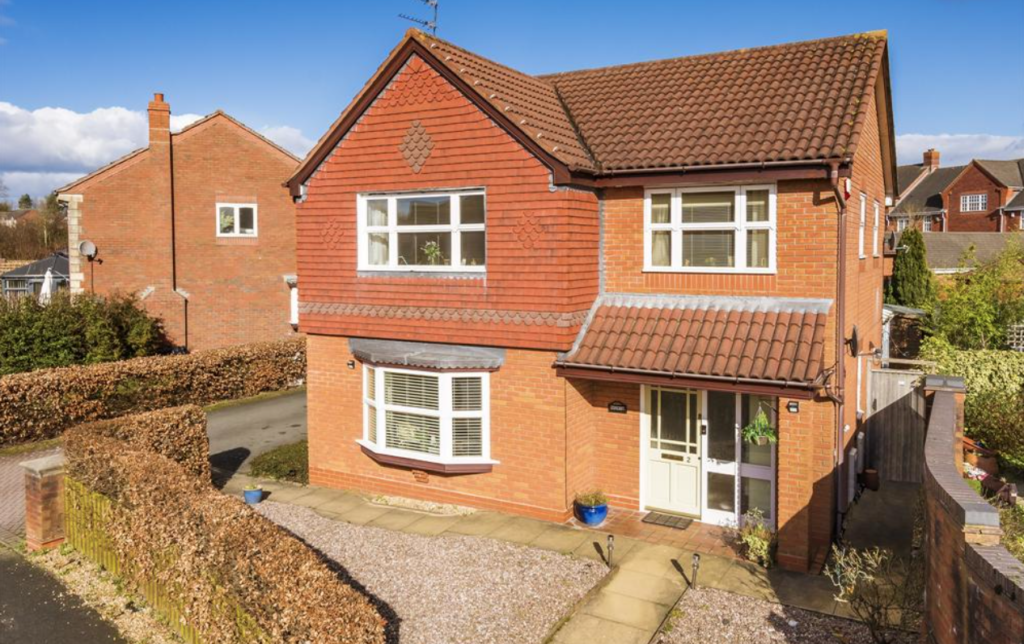
Before going to view the property, head online and do some research. Google Earth and Street View are great for checking out the area and can give you a good idea of the garden and driveway sizes. Virtual tours are also becoming incredibly popular, giving you a 3D view of the interior. These tools give you a better feel for the area than photos and maps alone.
If you decide you want to view it in person, then make sure to explore the surrounding area and see how the neighbourhood feels to you. Take a careful look at the property’s exterior as well, looking for any loose tiles or visible defects.
Inside, take your time and keep an eye out for signs of damp. And, don’t be shy about asking for advice. Most buyers are hesitant to ask, but it’s always a good idea to find out roughly how much the monthly bills are and learn about the local area. This is your chance to find out what it’s really like to live there.
Once you have all your finances in place and have found your dream property, the next step is to make an offer. Have a look at the listing history to find out how long the property has been on the market, and talk to the estate agent to find out more about the seller’s position. It’s also a good idea to research the sale prices for other properties that have recently sold in the area.
Once you have a figure in mind for what you’re willing to pay, and what you can afford, then being a first-time buyer outside of a chain will be a big advantage.
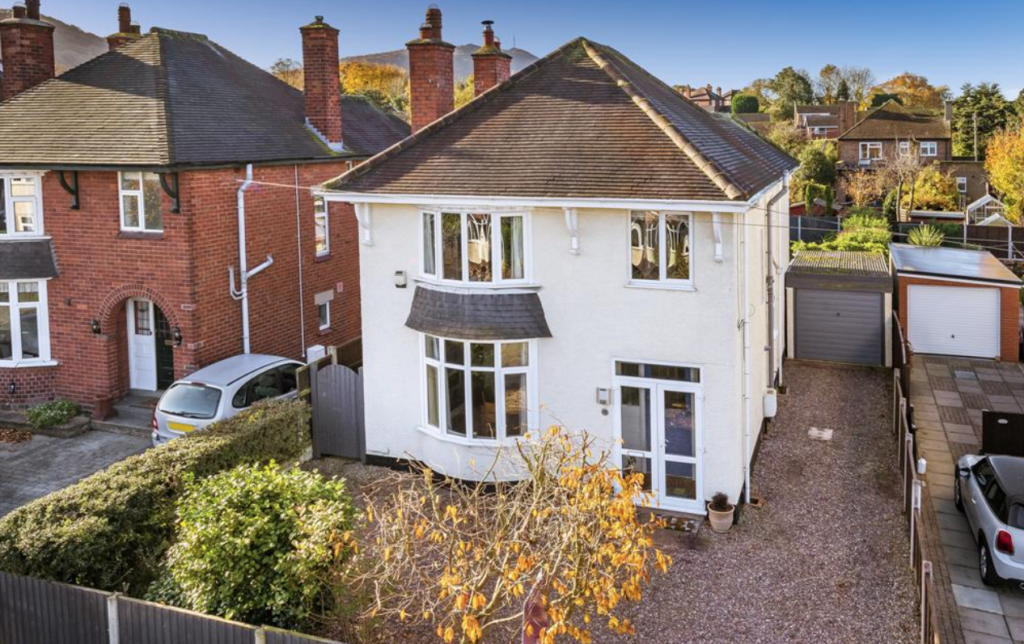
With demand greater than supply, property prices have been creeping upwards. However, the government’s 5% mortgage scheme will run from April 2021 to December 2022, and this paired with low-interest rates means now is a great time to consider taking the leap.
Start saving, work out your budget and keep an eye on the market. Research where you would like to live, and take note of general price ranges. By keeping up to date with property market trends, you can start honing in on your dream property.
If you’re looking to purchase your first property, then get in touch with Coleman Estates today. As Telford’s best-rated estate agent, we’re always happy to offer advice on the local area and any of the properties we have available. Our team of experts are ready to guide you through the purchasing process, helping you take your first step onto the property ladder.
Back to news


