

Every industry has its myths, and real estate is no exception. From “Renting is a waste of money!” to “Do I really need an estate agent?”, we have heard it all! This causes a lot of confusion for both buyers and sellers about what their next steps should be. Avoid this confusion with our property industry guide, which seeks to clarify some of the facts around the property industry.

Settling down and buying a house used to be one of life’s priorities. Nowadays, however, renting has become a more viable housing option for those seeking the flexibility needed to travel. It’s also the perfect solution for anyone who works away from home or needs an affordable living option in the city centre.
For those who do want to settle down, renting is also perfect as a short-term option and one often used by sellers to avoid creating a chain. It alleviates any stress by giving you more time to sell your current property, assess your options and find your dream home.
So is renting really a waste of money, or is it better to rent than buy? Buying property is a good investment and helps build up your equity, which is why some might think that renting is the best path forward. However, others might find renting to be a more viable option that opens up bigger doors. Our advice is to listen to your own needs, not this home buying myth.

From student loans to credit cards, nearly everyone has some sort of debt. It’s a necessary part of life which many of us need to fund our education or make secure online payments, which means that if this home buying myth were true, it would be nearly impossible for anyone to become a homeowner.
Contrary to this popular myth, some forms of credit can actually be of benefit and help improve your credit score. For example, using a credit card and being able to meet every monthly repayment comfortably shows your mortgage lender that you can manage your finances responsibly, giving them confidence that you can meet your mortgage payments.
Of course, a mortgage application is complicated and it all depends on your personal circumstances. While we would advise buyers against taking out large sums of money in the months leading up to a purchase, on the whole, common debts like your student loan shouldn’t stop you from being approved.
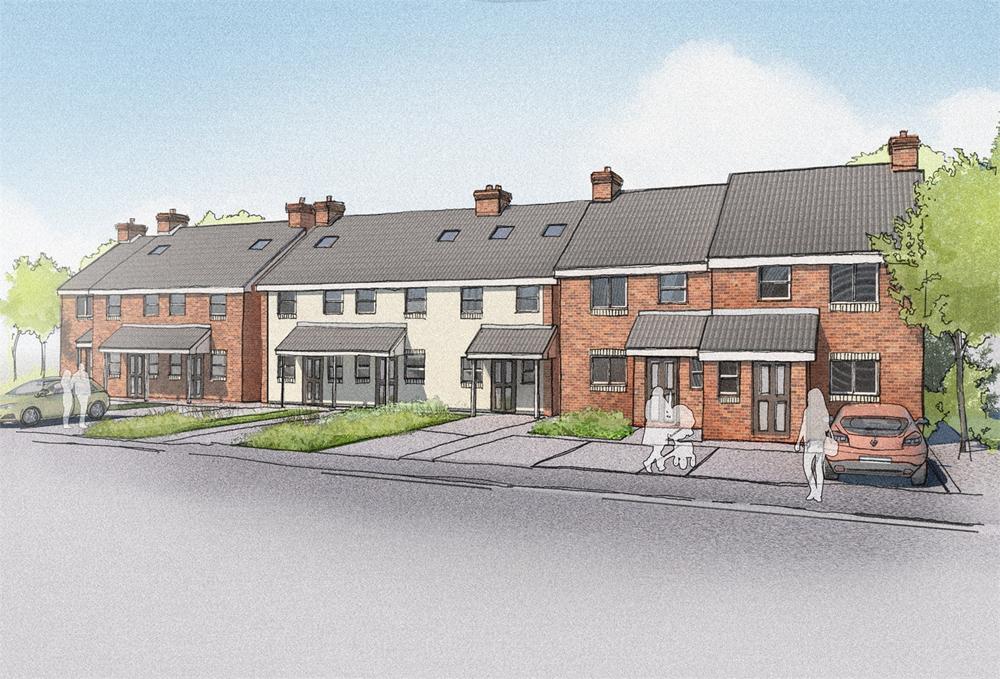
When you buy off-plan, you’re buying a house before it has even been built. This requires a lot of faith in your developer, site manager and the builders they work with, trusting that they won’t go bankrupt or leave you with a poorly built home. This has led to the new home buying myth that new builds are of poor quality and so buying off-plan is a big risk.
There are stories about this happening, and while it’s a slim possibility, there are many reputable developers and award winning site managers out there who you can trust to deliver your dream home. And even if there are issues, new build homes should come with a 10-year guarantee that protects your deposit and covers you from any structural defects. Upon completion your developer will let you know how you can report any snagging issues so you can get these resolved. You can even look at getting a professional snagger in to help you spot any of those little niggles so you know everything is covered.
Buying off-plan also offers a number of great benefits. You can have a say on layout, design and finishings which would be more expensive to replace post-build, and if you’re in an up and coming area, the value will only increase. So as long as you do your research, we’re confident this can be put in the myth category.
If the last couple of years have taught us anything, it’s that the property market is completely unpredictable. Too many factors can impact the value of a property, which means it could take years for things to turn in your favour. In the meantime, you’re spending more money on rent and missing out on great properties with the potential to become your forever home.
What’s more, inflation and new developments mean the value of properties might not actually fall past the price they were at when you first started looking. This means that by waiting, you run the risk of having to pay more for your property.
Regardless of what the market is doing, the right time to buy is when you’re ready and should depend on your finances, work prospects or planning a family, not the state of the property market. If you’re looking for a bargain, then instead of waiting, keep an eye on properties in your area. If there are any that have been around for a while or a seller needs a quick sale, then you might be able to put in a cheeky offer and secure yourself a better price without waiting.

This final home buying myth is for those looking to buy and sell for a profit. While it’s true that doing a property up can significantly increase its value, this needs to be carefully considered and planned out. For example, would installing an ensuite really add any value, or would you be spending money for very little return?
When viewing the property, talk to us about your vision. We can give you an idea of what changes would add the most value, or whether the property is maxed out. That way, you can be sure that any changes you make are worth the investment.
But the interior isn’t the only factor that affects property prices. Once you’re happy you can add value, talk to your solicitor about the Search Report. This will also highlight any potential issues that might impact your investment, such as planning permission, building regulations and other environmental issues.
It’s also essential that you get a qualified Chartered Surveyor to inspect the property before completion. They will be able to spot any significant structural defects which would need sorting, and which could cost you your profits.
So while renovations can offer good returns on investment, this is only with careful planning and knowledge of how to add value.

It’s true that buyers often try their hand and offer 5–10% below the asking price, and as such, many sellers believe that asking for a higher price will protect them from these negotiations. However, buyers have instant access to recent property prices thanks to sites like Rightmove, and so if a property is overpriced, they could be deterred from even considering the house as an option.
By overpricing your property, it could end up sitting on the market for a long time and becoming stale. Buyers will then start wondering why it hasn’t sold yet and be more inclined to go even lower when making an offer on a house. This could ultimately result in the house selling for less than it would have had it been correctly priced at the start. Remember that negotiations require two parties, and if the price is too high, buyers won’t be tempted to join the table. Setting the right asking price is crucial to a successful sale, and you can read more about this in our pricing guide.
This one is a pure home buying myth and the final asking price is entirely up to the seller. What estate agents will do for you though is value your property, taking into account both local factors and the wider national content. This gives you an accurate idea of what your property could achieve on the current market.
Whether you choose to go with the valuation will then depend on your own personal circumstances. If you’re in no rush to sell and want to see if you can get a little extra for your property, then you can go higher. On the other hand, if you need a quick sale then you can opt to go lower.
So although we can advise on the value of your property and its current market potential, what you ask for is up to you. Once again, our pricing guide can help you make the right decision for you and your property.

One of the joys of being a homeowner is that you get to put your own personal stamp on the place. Whether this is simply choosing a colour for the living room or doing more extravagant renovations, we all have our own styles that transform a house into a home. Yet sellers often believe they need to fit whole new bathrooms and kitchens in order to get a good price for their property.
Unless your kitchen or bathroom is in a complete state of disrepair, make sure to weigh up the costs of fitting a new one against the value it might add to the property. Second-guessing what style prospective buyers are looking for is an impossible task that could cost you a lot of money with very little return. More often than not, we find that it doesn’t actually make enough of a difference to warrant the cost and effort involved. Instead, take a look at our guide on how to get your Shropshire property ready for sale. These smaller fixes will instantly make your property more appealing without the need for a whole new kitchen or bathroom.
Recently, there has been a big surge in online estate estates offering ‘proper’ estate agents without the commission fee. However, the reality is that the majority of online estate agents will charge their full fee upfront whether the property sells or not. So although the fees might be lower, if you have to pay upfront and struggle to sell, then this will cost you more in the long run.
Next is the question of quality. Since they’re typically based in call centres, they struggle to offer a personalised service which can cause frustration. But will they achieve the highest possible price for your property? Only a specialist who knows and understands your local area will be able to do that for you. At Coleman Estates, our valuer and Managing Director Max Coleman has over 15 years of experience valuing properties within the local area, growing a reputation for securing the highest possible price.
We firmly believe that online agents are no match for the quality of service provided by those on the high street. This hands-on approach with expert insights into the local area has seen us become Telford’s top rated estate agent, backed by the testimonials and reviews left online which show our service is second to none. If you’re wanting to find out more about how to choose an estate agent head over to our article, we cover a whole range of things to look for and weigh up the pros and cons of online estate agents.
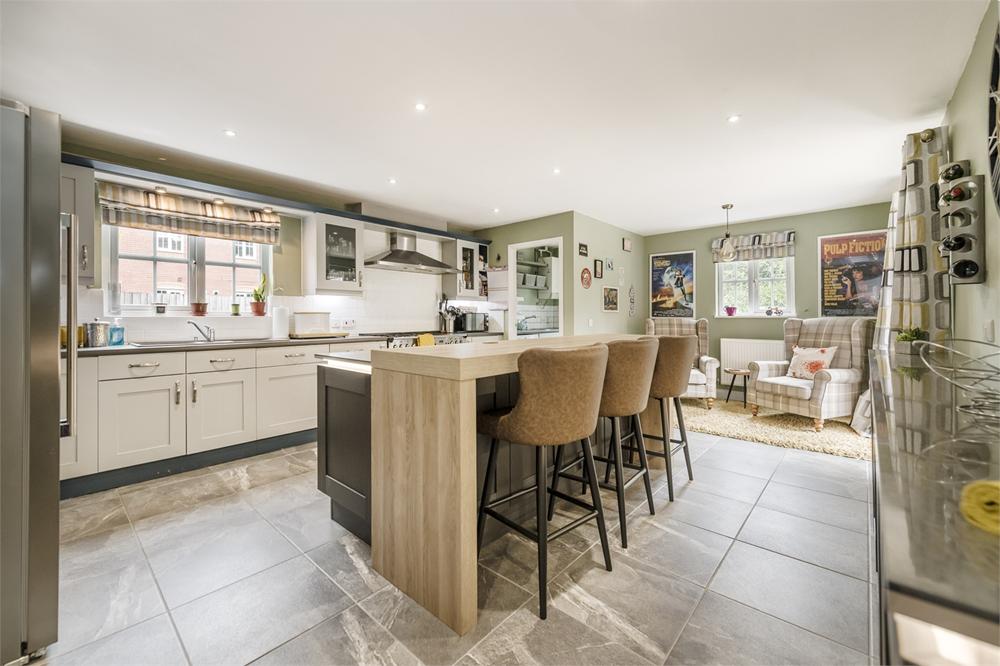
Our final myth about selling is that the cost of an estate agent outweighs the value of their service. Without the proper resources to hand, selling a property can be an expensive and time-consuming process. Not only will you need to market your property correctly in order to achieve its highest potential, but you will also need to handle negotiations and coordinate paperwork between solicitors.
At Coleman Estates, we combine realistic valuations with bespoke marketing to find you the right buyer for your property. This includes professional photography and floor plans at no extra cost, premium listings across the UK’s largest property portals, Rightmove and Zoopla, as well as cutting edge marketing across Facebook, Twitter and Instagram.
Once your property has found its buyer, we will help with negotiating house prices to ensure that you both get the best possible deal. We then work closely with local solicitors, mortgage brokers and other estate agents to help streamline the sale and see you through to completion.
At Coleman Estates, our estate agent fees range from 1.0% to 1.5% + VAT and include professional photography, EPC and floor plan, and your local solicitor’s charges at no extra cost. This is all payable upon completion with no upfront costs. As Telford’s best reviewed estate agent, our aim is to make sure our clients are so satisfied with the price we achieve and the service provided that they feel our fee is more than justified.
Whether you’re on the first step of the property ladder or halfway up, it can be difficult to know how to proceed when there are so many home buying myths. We hope this article helps to dispel some of the most popular ones, but if you have any other questions, then feel free to come along to our offices.
Our experts will be happy to discuss any other home buying myths or myths about selling. We will then guide you through the process so you understand how it all works, offering guidance on everything from making an offer on a house and negotiating house prices to working out whether renting is right for you.
Back to news


